“My Market Context was spot on. The price eventually went exactly where I predicted. And yet, I was the only one who got stopped out and lost.”
Anyone who has ever traded has likely held their head in their hands over this utterly frustrating experience.
Why does the market seem to peek at your positions, violently reverse the moment you enter, hunt your stop-loss, and then fly off toward your original target?
By taking a step beyond textbook basics and broadening your perspective to the underlying “Supply and Demand Structure of the Market,” the true nature of these seemingly irrational price movements—and the smart way to handle them—becomes crystal clear.
In this article, we will dissect the “Whale Order Execution System” hidden behind the scenes of this massive $9.6 trillion-a-day market, and provide you with an intelligent strategy to ride the wave without becoming their bait.
Premise: Forex is a “Zero-Sum Game” of Tug-of-War
Before diving into the main topic, let’s briefly clarify the structure of our primary battlefield: the Forex market.
- A Massive Global Market : Because funds from all over the world converge here, manipulation by individual retail traders is impossible. The market is moved by “Giant Institutional Investors (Whales)” who control billions of dollars.
- The Zero-Sum Nature of Forex : The FX market, where you trade the price difference, is strictly a “Zero-Sum Game”—someone’s profit is exactly someone else’s loss.
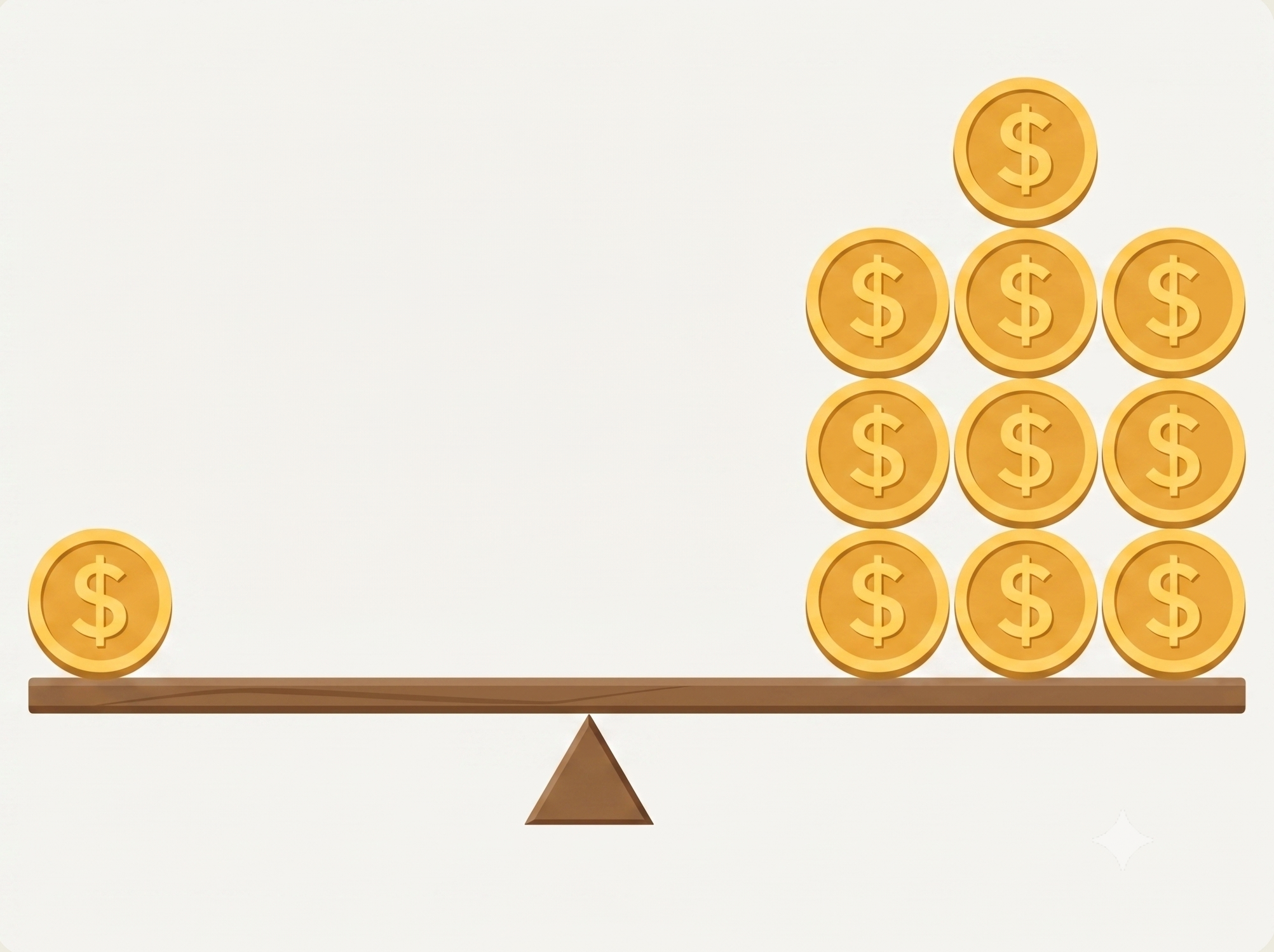
In this Zero-Sum world, the sheer volume of capital we possess compared to the giant Whales is astronomically different.
And it is a specific “logistical problem” they face when moving these massive funds that creates the irrational price movements mentioned at the beginning.
Ad Space 1
Why Does It “Drop Before It Rises”? — The Mechanism of Whale Order Execution
Why does the price suddenly plummet the moment you place a buy order at a support level you were absolutely certain would hold?
The conclusion is simple: “Because large institutional investors (Whales) need ‘Liquidity’ (a massive amount of sell orders) to execute their own gigantic buy orders.”
Whales Cannot Buy All at Once
When we hit the “Buy 1 Lot” button, our order is filled instantly. Whales do not have this luxury. If a Whale dumps a multi-billion dollar buy order into the market all at once, the price will instantly spike, forcing them to buy at extremely terrible prices. For them to execute their buy orders smoothly, a massive counter-force of “sell orders” must exist at that exact same price level.
Obvious “Key Levels” Are Targeted
Right below “obvious swing lows” or “widely monitored price zones” on a chart lies a goldmine: the “Stop-Losses” (which, for a long position, are Sell Orders) placed by millions of retail traders and automated systems.
- The Whales intentionally push the price down to break through the obvious key level.
- The Stop-Losses (massive sell orders) accumulated below the level are triggered all at once.
- The Whales swallow these “massive sell orders” whole, executing their own gigantic buy orders at a perfect price.
- The moment their order execution is complete, the price surges powerfully in its true intended direction.
When this happens, you will often see a large candlestick with a “long lower wick (tail)” left on the chart after a sudden, sharp dip.
This terrifying plunge—the long lower wick—is the definitive “footprint (evidence)” that the Whales aggressively jumped on retail stop-losses to completely absorb the liquidity they needed.
This is the mechanical truth behind why the price extends in your predicted direction right after you were faked out and stopped out. The market isn’t out to get you personally; you simply got caught up in a “Liquidity Sweep (Stop Hunt)” designed to fill Whale orders.
Ad Space 2
Smart Strategies to Avoid Becoming “Whale Bait”
Understanding this structure, how should we position our entries and stop-losses?
The solution is simple : Turn “the exact place where everyone despairs and gets stopped out” into your own opportunity.
Strategy 1: Enter “Just Outside” the Key Level Where Everyone Places Stops
Do not blindly jump in at a perfectly clean key level. Instead, assume from the start that this is the exact area where Whales will come hunting for liquidity.
Take a step back. Wait for the price to break the level, trigger the retail stop-losses, and pull back into that “sweep zone” before placing your entry. Wait for the Whales to leave their footprint (e.g., a long lower wick) indicating they have finished executing their orders, and then ride their coattails.
Strategy 2 : Place Your Stop Loss Deeper at the True “Structural Invalidation Point”
Placing your stop-loss directly below a key level is like serving yourself on a silver platter to the Whales.
Your stop-loss should not be just below a simple line. It must be set at the absolute deepest point (the Structural Invalidation Point)—a level where you can confidently say, “If the price reaches here, this is no longer a liquidity sweep; the entire trend structure across higher timeframes has completely collapsed.”
For short (sell) positions, this exact logic is reversed (they push the price slightly above the high to trigger retail buy-stops before crashing).
Ad Space 3
Summary
- The reason you lose even when your direction is right is that you are getting caught up in a “Liquidity Sweep (Fakeout)” required by Whales to execute their massive orders.
- Massive stop-losses (sell orders) cluster below obvious key levels. Whales swallow these to complete their buy orders, leaving behind a “long lower wick” as their footprint.
- To avoid becoming Whale bait, enter “just outside” the key level where everyone else places their stops, and position your own stop-loss deeper at the true structural invalidation point.
Stop riding the emotional rollercoaster of superficial price movements.
Quietly decipher the “footprints of order execution” left by the Whales behind the charts, and simply, smartly sync yourself with the wave that follows after they have consumed the liquidity.
Ad Space 4
Comments